Vision
The vision of Bio-GO-SHIP is to develop a deep understanding of the link between the physio-chemical environment and global ocean plankton diversity, abundance, and biogeochemical roles in the context of a changing ocean.
Quantifying plankton diversity, abundance, and biogeochemical roles in a changing ocean.
The vision of Bio-GO-SHIP is to develop a deep understanding of the link between the physio-chemical environment and global ocean plankton diversity, abundance, and biogeochemical roles in the context of a changing ocean.
The mission of Bio-GO-SHIP is to quantify the molecular diversity, size spectrum, chemical composition, and abundances of plankton communities across large spatial, vertical, and eventually temporal scales.
This will be achieved through systematic, high-quality, and calibrated sampling of ‘omics, plankton imaging, particle chemistry, and optical techniques as operational oceanographic tools. Integration with regular GO-SHIP measurements and their analyses of the physical and chemical environment will allow us to understand (and eventually predict) how plankton communities respond to ocean changes and how biological processes feeds back on carbon, oxygen and nutrient cycles.
There are several community benefits to Bio-GO-SHIP. The community-led effort will generate a uniform global set of quantitative data of plankton communities. This will be achieved using a suite of vetted techniques that are rigorously curated and publicly available [Boss et al., 2020]. All biological data is coincident with measurements and analyses from the regular GO-SHIP program. We will train a cohort of students, research associates, and K-12 teachers in new oceanographic approaches and analyses.
Systematic, high-quality, calibrated sampling of plankton communities as operational oceanographic tools.
'Omics sampling
Molecular measurements that quantify the diversity of plankton communities across ocean basins and depths.
Plankton imaging
In situ and lab imaging to capture size spectra and community structure alongside other Bio-GO-SHIP observations.
Particle chemistry
Chemical composition of particles that links plankton communities to carbon, oxygen, and nutrient cycles.
Optical techniques
Calibrated optical methods that scale biological observations across large spatial and vertical ranges.
GO-SHIP integration
Biological data is collected coincident with GO-SHIP physical and chemical measurements, so we can connect plankton to a changing ocean.
Training the next generation
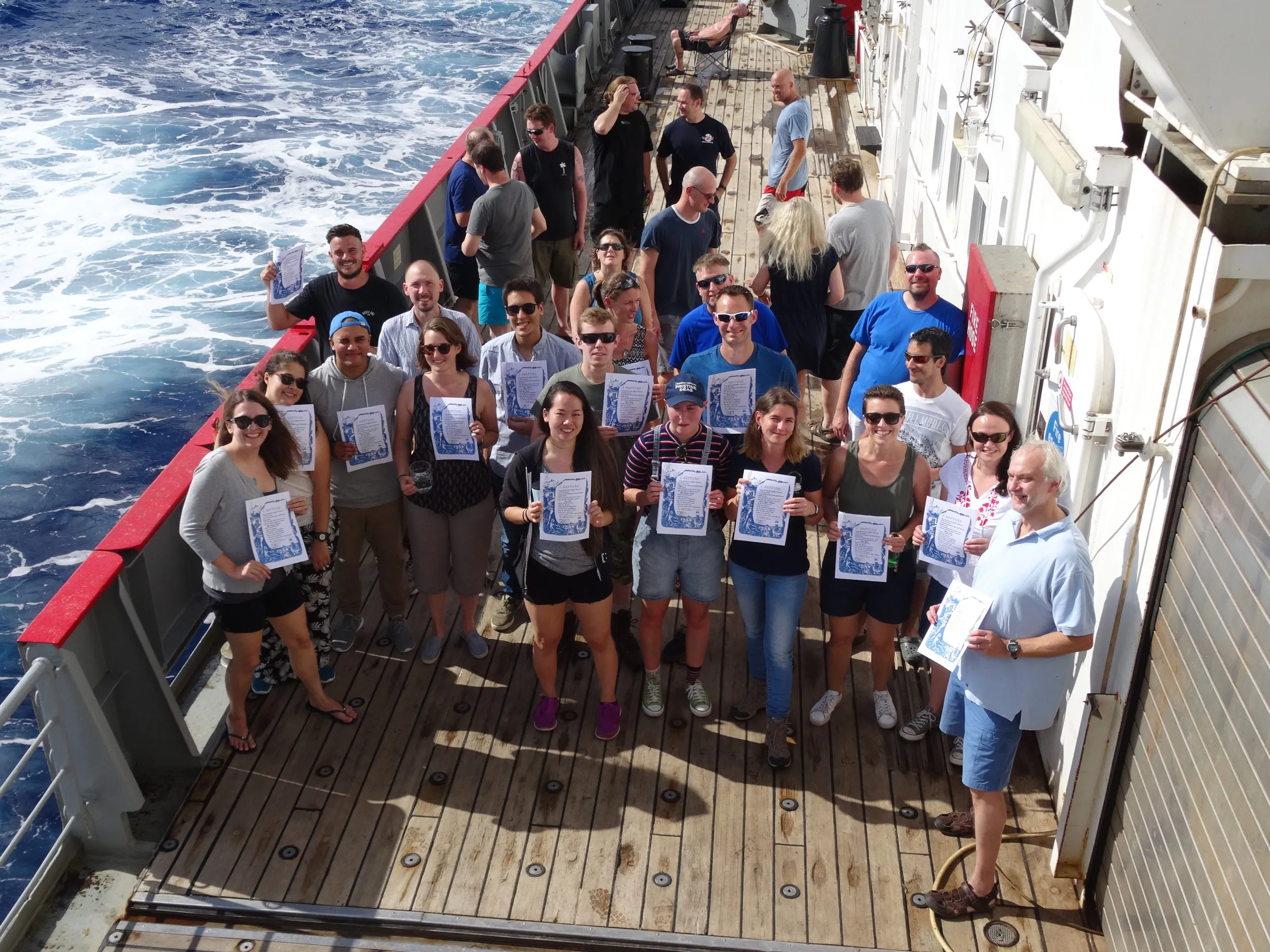
We train students, research associates, and K-12 teachers in new oceanographic approaches and analyses.
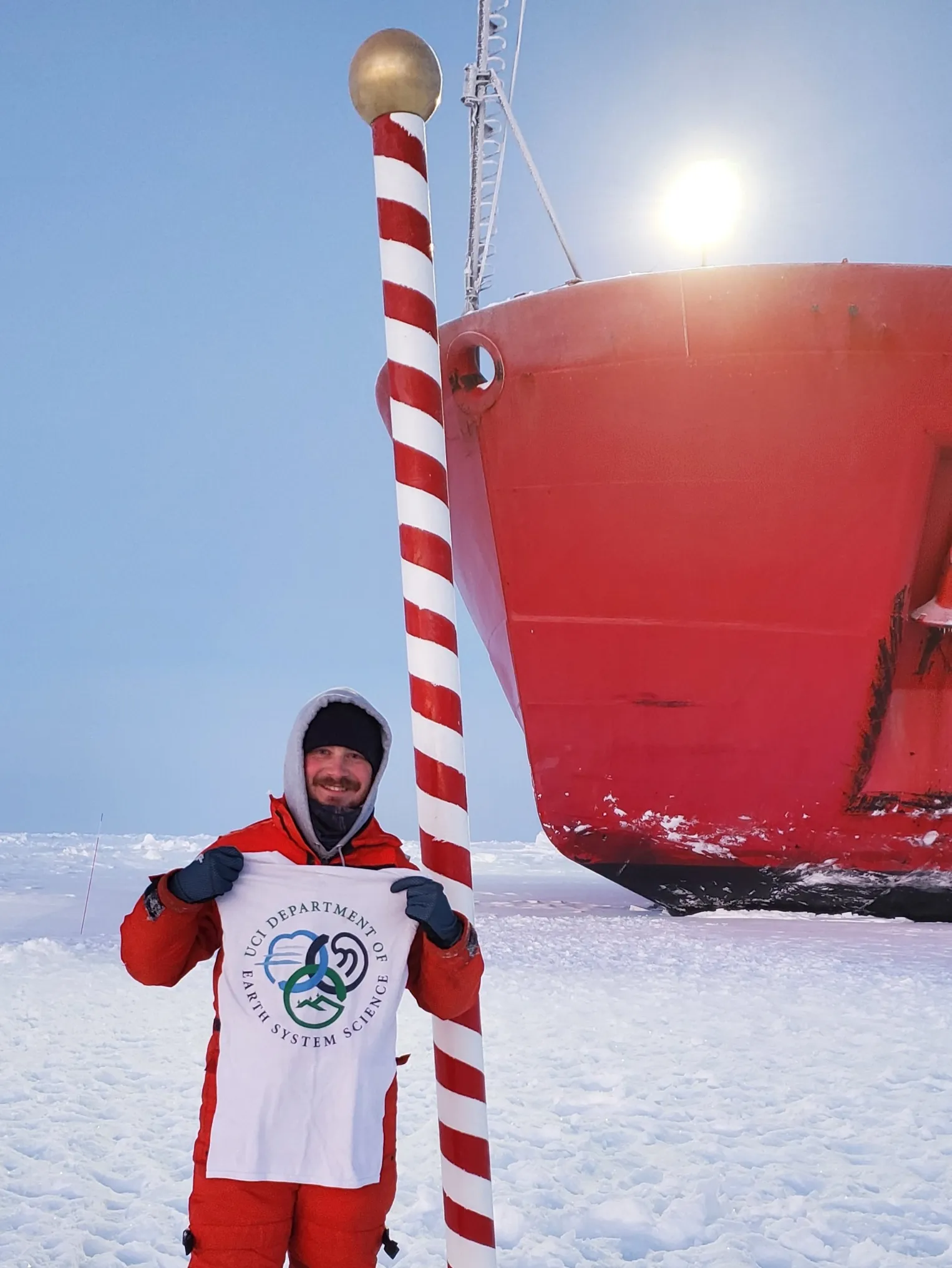
A changing ocean
The newest post, cruise plan, protocol, and publication on this site.
Post
hello
Cruise
BGC-Argo float deployment from the R/V Marcus G. Langseth.
Protocol
Dummy protocol so this page is not empty. Replace this entry and its PDF with a real Bio-GO-SHIP protocol.
Publication
A. Nguyen, L. J. Ustick, A. A. Larkin, and A. C. Martiny (2025) · mSphere
Explore the vision, mission, and community behind Bio-GO-SHIP.